
Marine wildlife surveys play an essential role in understanding and protecting the diverse species that inhabit Cornwall’s coastline. By collecting accurate information about marine mammals, seabirds and other wildlife over long periods, researchers can identify changes in populations and monitor the health of marine ecosystems in order to make informed conservation decisions.
Table of Contents
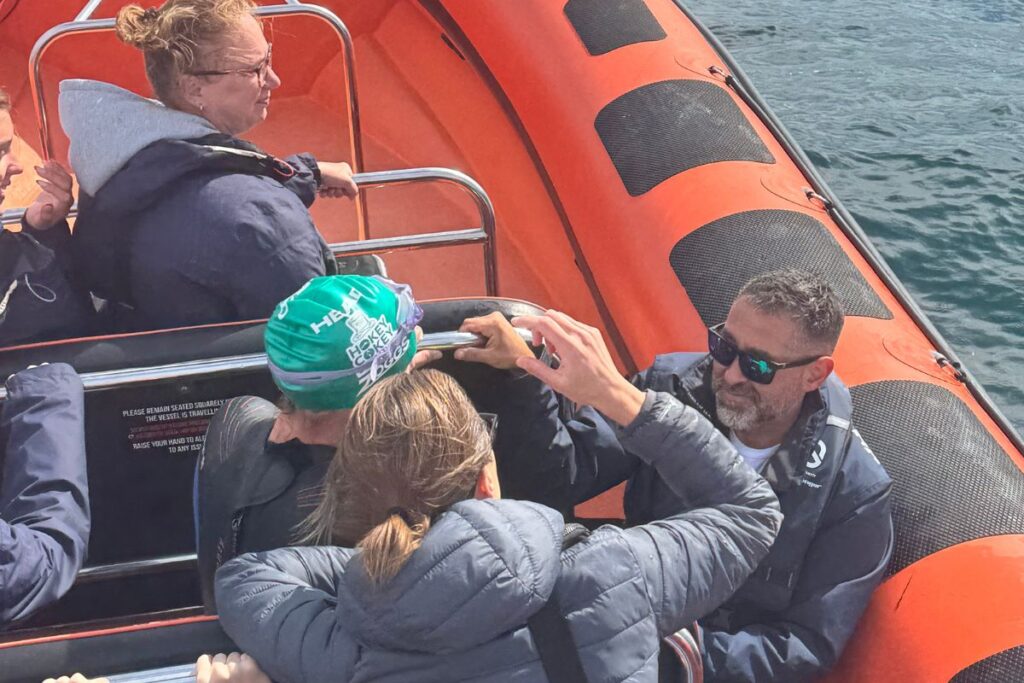
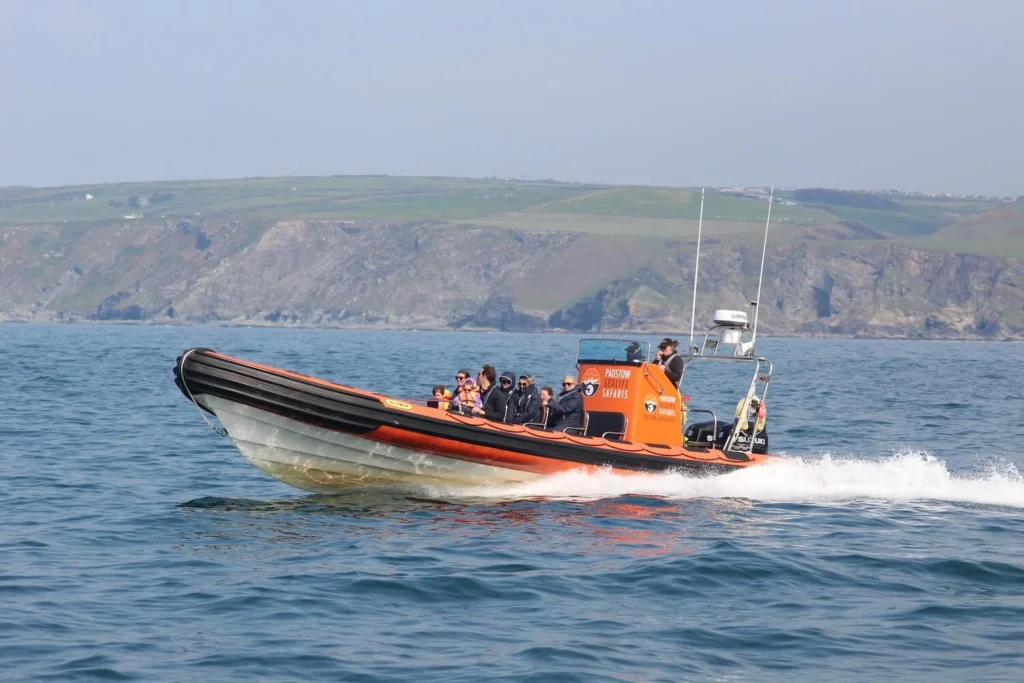
At Padstow Sealife Safaris, every boat trip provides an opportunity to contribute to this important work. Alongside offering unforgettable wildlife experiences, we carry out marine wildlife surveys throughout the season, recording sightings that become part of wider scientific monitoring programmes. These observations help conservation organisations build a clearer picture of Cornwall’s marine environment and ensure decisions affecting local wildlife are based on reliable evidence.
What Are Marine Wildlife Surveys?
Marine wildlife surveys involve the systematic recording of species observed at sea, alongside detailed information about their location, behaviour and environmental conditions. Unlike casual wildlife sightings, surveys follow a consistent methodology, allowing data to be compared over time to reveal trends in species distribution, abundance and habitat use.
This long-term monitoring is invaluable for understanding how marine ecosystems are changing and identifying the effects of climate change, human activity and natural environmental variation on the wildlife that calls Cornwall’s waters home.
How Padstow Sealife Safaris Conducts Marine Wildlife Surveys
Here at Padstow Sealife Safaris, we systematically record all wildlife sightings during our trips, submitting each observation via the Cornwall Wildlife Trust’s ORKS app (Online Recording Kernow and Scilly). These records are then shared with the Seawatch Foundation, where the evidence base is used to inform environmental policy.
Each data point adds to a growing body of longitudinal information, supporting the analysis of population trends, species distribution, and ecosystem health. Such datasets are essential for identifying pressures on Cornwall’s wildlife and marine environments and for developing effective, science-led conservation strategies. The Cornwall Wildlife Trust plays a vital role in this work, helping to safeguard the biodiversity that underpins the resilience and function of these ecosystems.
Marine Species Recorded During Our Surveys
Throughout the year, we encounter a diverse range of species, with seasonal patterns shaping what we see.
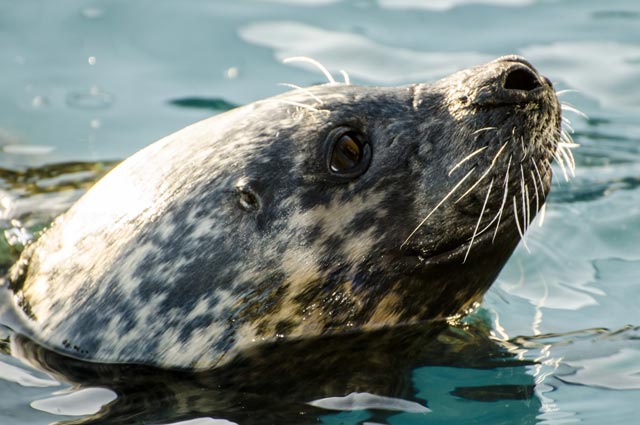
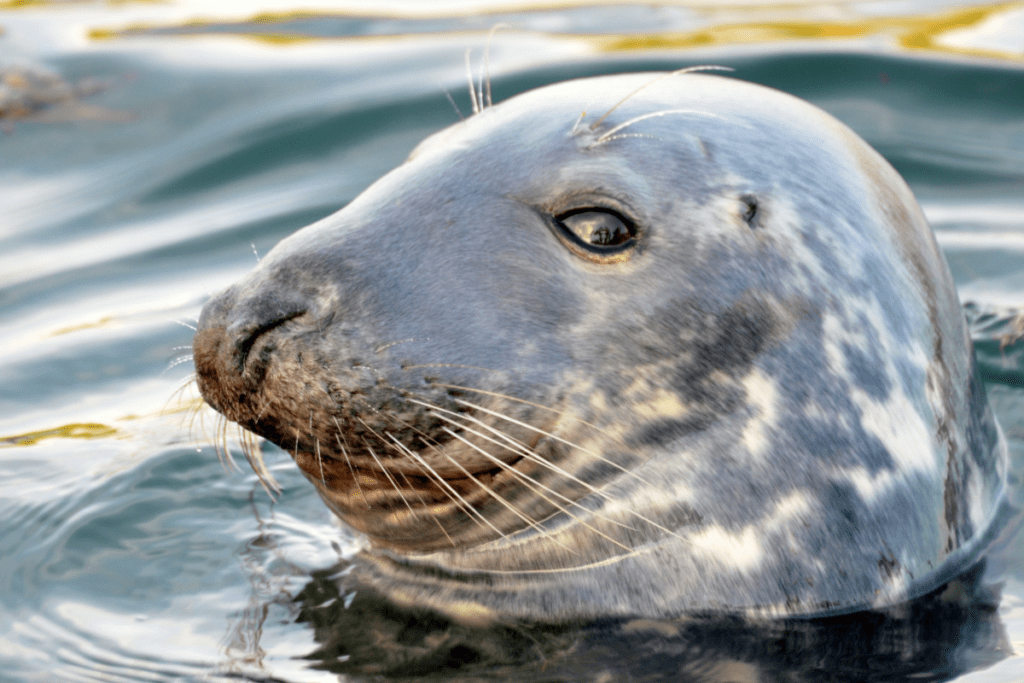
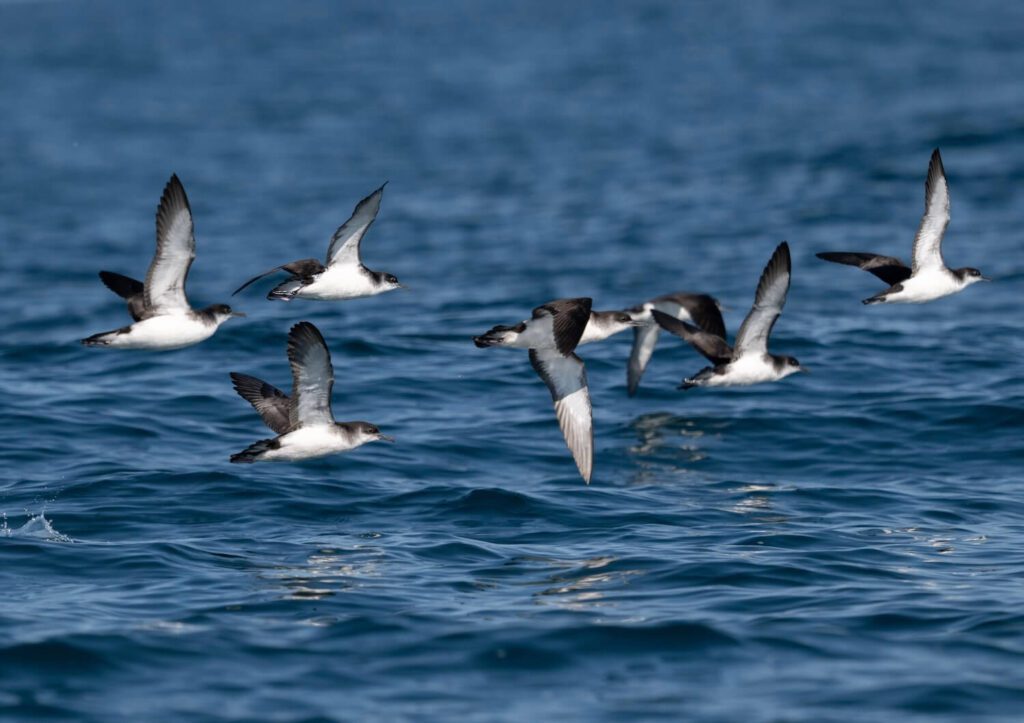
Grey seals are present year-round, often observed hauled out along the coastline or bottling in the water. During the warmer months, we frequently record a larger range of cetacean species such as dolphins, including common and bottlenose dolphins, while harbour porpoises can be spotted more sporadically. Also, seabirds such as gannets, guillemots, and razorbills are regularly documented, particularly during the breeding season from April until July.
The variety of species recorded throughout the year provides valuable insight into seasonal movements and habitat use. As more observations are collected over time, these records help identify long-term trends that may otherwise go unnoticed, strengthening our understanding of Cornwall’s rich marine biodiversity.
What Marine Data is Collected During Our Boat Trips?
For every sighting, we collect a consistent set of data to ensure each record has scientific value. This includes:
- The date and time of the observation
- The species identified
- The precise location, recorded both as a site name and GPS coordinates
- Number of individuals present, along with their behaviour, whether they are actively swimming, feeding, travelling, or hauled out on land
Where possible, we also record age class, distinguishing between adults and juveniles, and aim to note the sex of individuals when it can be reliably determined. Together, this detailed information helps build a clearer, more comprehensive understanding of marine wildlife in Cornwall and supports ongoing conservation efforts.
Using a consistent survey methodology means every wildlife sighting can be compared with previous observations, helping researchers build reliable long-term datasets. Even seemingly routine wildlife sightings can become highly valuable when analysed alongside thousands of other records collected over many years.
Why Marine Wildlife Surveys Matter
We do this to create robust, long-term datasets that are critical for understanding how marine species are responding to environmental change, human activity, and shifting ocean conditions. By consistently collecting high-quality data, we help researchers detect trends and recognise emerging threats. This information can then be used to guide conservation action, inform management plans influencing policy decisions that aim to protect marine life.
Ultimately, these records transform individual wildlife encounters into meaningful scientific contributions. By taking the time to document what we see, we are helping to build a clearer picture of Cornwall’s marine ecosystems and playing a small but important role in ensuring they are protected for the future.
Every guest joining a Padstow Sealife Safaris trip becomes part of this wider conservation effort. While enjoying some of Cornwall’s most spectacular wildlife encounters, you’re also helping generate valuable information that supports marine wildlife surveys and contributes to the long-term protection of our coastal environment.
Frequently Asked Questions
What are marine wildlife surveys?
Marine wildlife surveys involve systematically recording sightings of marine mammals, seabirds and other species using consistent methods. The information collected helps scientists monitor populations, understand habitat use and identify changes in marine ecosystems over time.
Why are marine wildlife surveys important?
Marine wildlife surveys provide the long-term data needed to support conservation decisions, identify environmental changes and protect vulnerable species. Without consistent monitoring, it would be far more difficult to understand how wildlife populations are changing.
What species do Padstow Sealife Safaris record?
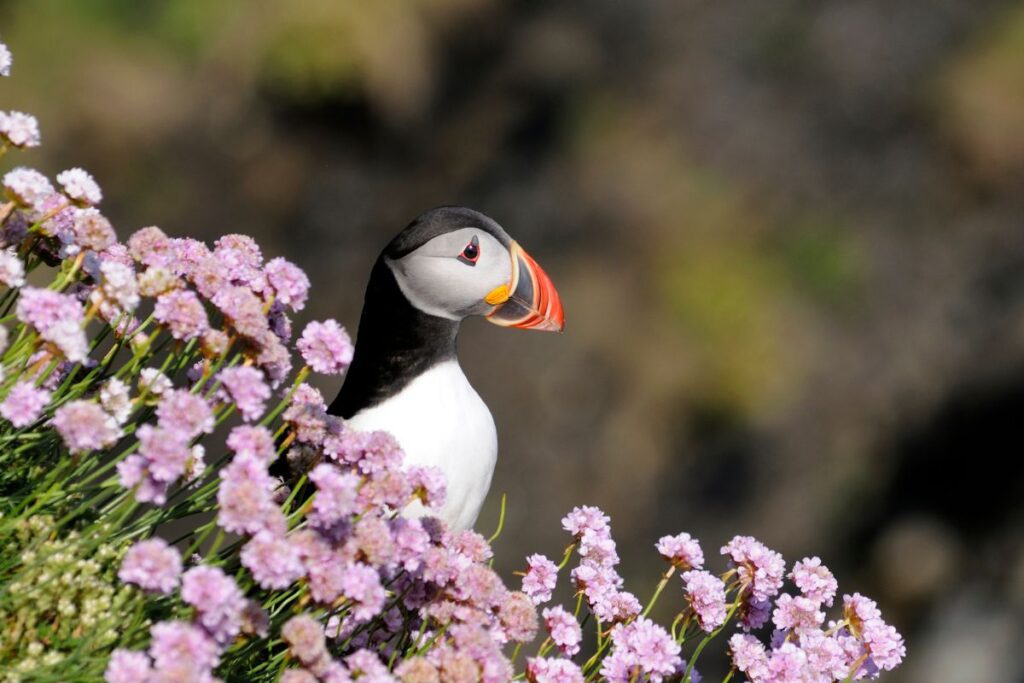
Depending on the season, surveys regularly record grey seals, common dolphins, bottlenose dolphins, harbour porpoises, gannets, guillemots, puffins, razorbills and many other marine species found along the North Cornwall coast.
How is the survey data used?
Wildlife records submitted through the Cornwall Wildlife Trust’s ORKS app are shared with organisations including the Seawatch Foundation. The data contributes to ongoing research, monitoring programmes and evidence that supports marine conservation and environmental policy.
Can visitors contribute to marine wildlife surveys?
Yes. Every wildlife safari provides an opportunity to record valuable sightings. By joining a trip with Padstow Sealife Safaris, you’re helping contribute to marine wildlife surveys that improve our understanding of Cornwall’s marine environment.