
Hemlock water dropwort plant (known as ‘Dead Man’s Fingers’) is the most poisonous plant in the UK. All parts are highly toxic and can be fatal if ingested. It has been washing up on Cornish beaches following winter storms, posing a serious risk to dogs and children. If you find it on the beach, do not touch it – keep dogs on leads, warn others nearby, and report it to the lifeguard or Cornwall Council.
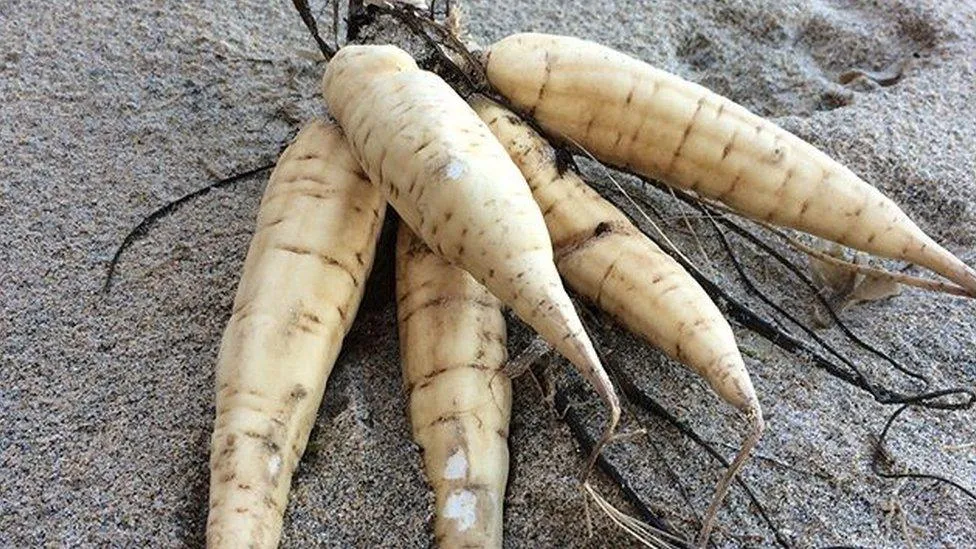
Image Source: BBC
What is Hemlock Water Dropwort Plant?
Hemlock water dropwort plant (Oenanthe crocata) is a member of the carrot family (Apiaceae) and naturally occurs in wet areas throughout western Europe and North Africa. It grows alongside slow-flowing streams, freshwater marshes, lakes and foreshores. It can sometimes become exposed during bad weather and wash up on beaches, as has been happening in North Cornwall following recent storms.
Physical Characteristics – How to Identify Hemlock Water Dropwort
This poisonous perennial plant belongs to the conium maculatum family and is closely related to water parsnip, celery and common hogweed. It is known by several names, including hemlock dropwort, “dead tongue”, balder root or water hemlock.
The leaves resemble flat-leaved coriander or parsley leaves (and smell similar, too), with hollow, grooved stems which grow up to 150 cm tall. It thrives near water and has small white flowers which are umbrella-like in their structure. All parts of the plant are deadly poisonous, and symptoms of ingesting hemlock water dropwort root can include vomiting, seizures, paralysis, hallucinations and death.
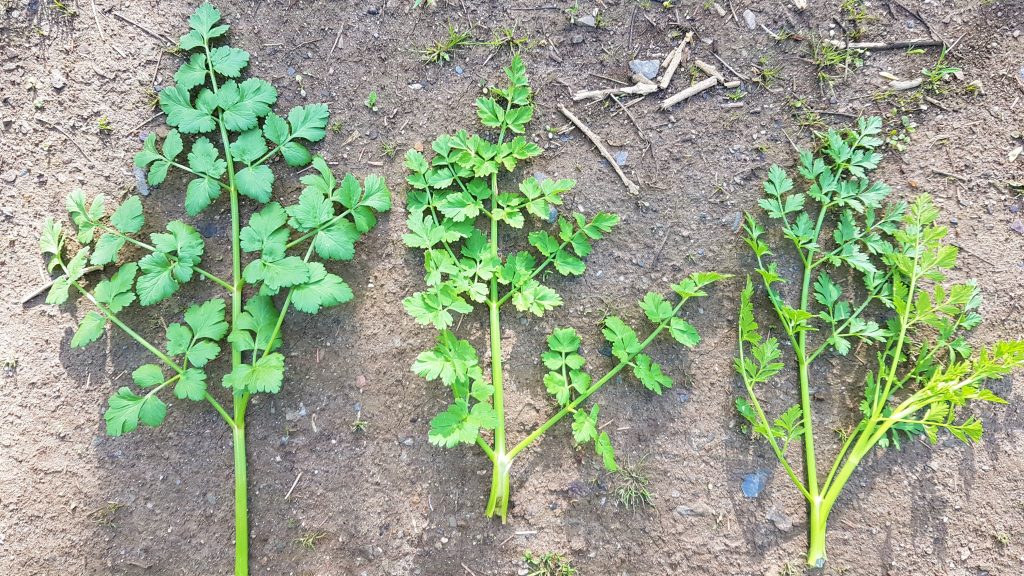
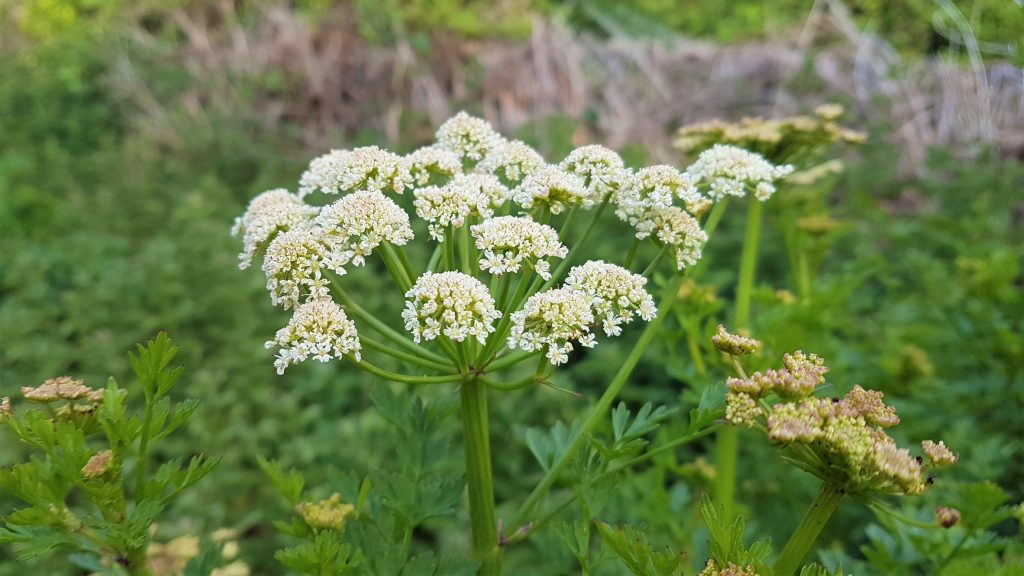
Image Source: Wildwalks-southwest
Why “Dead Man’s Fingers”? Understanding the Root System
The tubers of water hemlock look a little like swollen fingers, which is how it got its sinister nickname. These roots contain the highest concentration of the plant’s toxins, and it is said that just one ‘finger’ will kill a cow.
Natural Habitat and Distribution in Cornwall
Hemlock water dropwort plants naturally grow in abundance in Cornwall alongside sources of fresh water and in wet woodlands. It thrives in waterlogged soil and is widespread across the waterways and estuaries of the UK.
Recent Hemlock Root Sightings Along the Cornish Coastline
Cornwall Council has issued warnings to dog owners about hemlock water dropwort roots washed up on beaches in Newquay, urging people to be vigilant and keep pets on a lead.
There have also been reports of hemlock water dropwort roots washing up on beaches in Porthpean, Mawgan Porth, St Ives and numerous other places along the coast. At least five dogs in Cornwall have recently died from ingesting this poisonous root, with countless others becoming sick.
Is Hemlock Water Dropwort Still Washing Up in 2026?
Yes. Following the storms of 2025, hemlock water dropwort roots were reported washing up on several North Cornwall beaches, including Newquay, St Ives and Mawgan Porth.
Cornwall Council and local beach wardens issued warnings to dog walkers through the winter and into spring 2025. Some local community Facebook groups have mentioned seeing hemlock water dropwort root on the beach in 2026, and we will update this section as new reports emerge.
As of mid 2026, there are no active widespread alerts, but the risk returns each autumn and winter when heavy rainfall dislodges riverside plants and carries them downstream to the sea.
Why Are Hemlock Water Dropwort Roots Washing Up?
When we have winter storms and heavy rainfall, the plants can become dislodged from their riverside habitat and taken downstream into the sea. The plant’s tubers are buoyant, which means they can easily float in ocean currents before getting washed in on the incoming tides.
How to Identify Hemlock Water Dropwort Roots on the Beach
If you see large, cream-coloured, finger-like roots on the beach, stay clear. The roots look similar to wild parsnips and can smell like carrots, which makes them attractive to dogs and children. You might find them washed up near streams running onto the beach or near rockpools where they have been brought in by the tide.
Historical Cases and Local Folklore
Throughout history, the hemlock water dropwort plant has been surrounded by folklore and superstition. Due to its highly poisonous nature, the plant has long been linked to tales of witchcraft, curses, and malevolent spirits. Hemlock water dropwort was used in pre-Roman Sardinia for ritual killings, producing the infamous ‘sardonic grin’ as victims’ faces were grotesquely twisted from the resulting seizures.
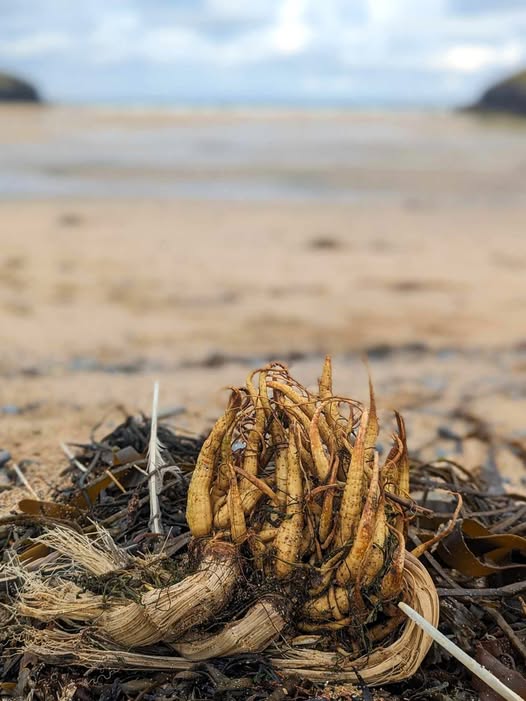
Source: beach guardian
Historical Cases and Local Folklore
Throughout history, hemlock water dropwort has been surrounded by folklore and superstition. Due to its highly poisonous nature, the plant has long been linked to tales of witchcraft, curses, and malevolent spirits. Hemlock water dropwort was used in pre-Roman Sardinia for ritual killings, producing the infamous ‘sardonic grin’ as victims’ faces were grotesquely twisted from the resulting seizures.
The Hidden Dangers
What Happens if You Touch Hemlock Water Dropwort?
Whilst eating any part of this plant can cause fatal poisoning, touching it usually doesn’t cause too much harm other than blistering and uncomfortable rashes on the skin. That said, we advise exercising extreme caution if you come across hemlock water dropwort on the beach, and using suitable protective gear such as gloves and eye protection if you want to bag it up and remove it.
Symptoms of Hemlock Water Dropwort Poisoning in Humans
Ingesting this plant can cause nausea, sweating, increased heart rate and muscle twitching, confusion, psychosis and death. Symptoms can start immediately and accelerate quickly, with reports of humans dying within three hours of eating the plant.
NB: If you believe someone has ingested hemlock water dropwort, call 999 or visit the NHS poisoning guidance immediately.
Effects of Hemlock Water Dropwort on Dogs and Other Animals
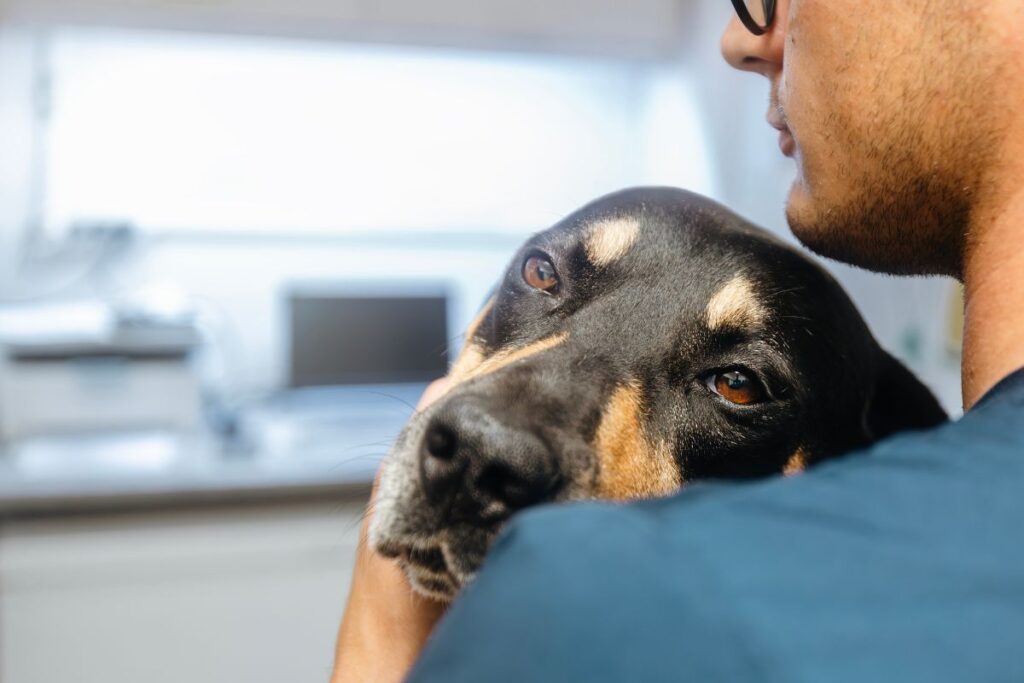
Even small amounts of hemlock water dropwort root can prove fatal to animals, with seizures, vomiting and convulsions coming on quickly. This is why it is vital to be vigilant and keep your dog on a lead at all times when walking on the beach. If you think your dog might have come into contact with hemlock root, contact a vet as soon as possible. You can also contact the Animal Poison Line on 01202 509000 for emergency advice.
Staying Safe
This plant is very common and looks similar to horse parsley or Alexanders which foragers favour. However, because there is no known antidote for hemlock water dropwort poisoning, it is best to avoid eating or handling any plant you are unsure of, and to keep pets away and on a lead.
If you’re walking the coastal paths around Padstow, our guide to a perfect day in Padstow covers the best routes and what to look out for on the shoreline.
What to Do If You Find Dead Man’s Fingers on the Beach
If you find Dead Man’s Fingers on the beach, stay clear. Inform the lifeguards patrolling the beach, who will raise the alarm with the immediate public, and also report it to Cornwall Council, which will make people aware and dispose of it safely.
Protecting Your Dogs During Beach Walks
Keep your dog on a lead and monitor where they are at all times on a beach walk, especially following storms and heavy rainfall when hemlock water dropwort roots are most likely to appear. Stay vigilant, and if in doubt, avoid beach walks with curious dogs who are prone to eating anything they sniff out. Dogs are welcome on our 1 Hour Seal Safari.
Conclusion
Cornwall’s spectacular coastline offers endless opportunities for exploration and adventure. While enjoying our beautiful beaches and coastal paths, it’s important to stay informed and vigilant about safety. By being aware of potential hazards and following local guidance, you can focus on making wonderful memories along our remarkable shoreline.
While you’re exploring Cornwall’s coast, why not swap the shoreline for the sea? Our boat trips from Padstow, 2 Hour Sealife Safari and 1 Hour Seal Safari give you a completely different perspective on the coastline – and definitely no Dead Man’s Fingers on board!
Hemlock Water Dropwort FAQs
Is hemlock water dropwort poisonous to touch?
Yes – every part of hemlock water dropwort is highly toxic. While serious poisoning usually happens if it’s eaten, the sap can irritate the skin, so it’s best admired from a safe distance and never handled.
What is the most poisonous plant in the UK?
Hemlock water dropwort is widely considered the UK’s most poisonous native plant. Even small amounts can be fatal, which is why it’s often described as “Britain’s deadliest plant.”
What does water hemlock do to humans?
If ingested, it attacks the nervous system, causing severe symptoms such as seizures, breathing difficulties and, in extreme cases, death. There’s no safe level of consumption – this is one plant you definitely don’t want to get too close to.
Are hemlock water dropwort plants native to the UK?
Yes, it’s native to the UK and commonly found along riverbanks, ditches and wet coastal margins. Despite its innocent, parsley-like appearance, it’s a powerful reminder that not everything in our wild landscapes is safe to touch.
Is hemlock water dropwort dangerous to dogs and livestock?
Yes – it’s extremely dangerous to dogs, cattle and horses. Even a small amount can be fatal if eaten, and the roots are particularly toxic. Keep pets on leads near rivers, ditches and wet grazing land where this plant often grows.
What plants are commonly mistaken for hemlock water dropwort?
It’s often confused with harmless plants such as wild celery, cow parsley and parsley itself. This is what makes it so dangerous – its bright green leaves and white umbrella-shaped flowers look deceptively familiar.
Are there poisonous plants to watch out for on UK coastal walks?
Yes. Along coastal paths, estuaries and clifftops you may encounter hemlock water dropwort, hemlock, foxglove and deadly nightshade. Most are perfectly safe if left alone, but it’s always best to look, not touch, and keep children and dogs close by.
How do I report hemlock water dropwort on a Cornwall beach?
If you spot hemlock water dropwort on a Cornish beach, tell the nearest lifeguard immediately and report it to Cornwall Council via their online reporting tool or by calling 0300 1234 100. You can also flag it to local beach wardens or post in local community groups to warn other dog walkers in the area.
Is hemlock water dropwort the same as hemlock?
No, they are different plants, though both are highly poisonous. Common hemlock (Conium maculatum) is perhaps more famous historically (it was used to execute Socrates), while hemlock water dropwort (Oenanthe crocata) is considered more toxic and is the species most commonly found on UK beaches and riverbanks. Both should be avoided entirely.