
What happened
On Sunday morning, six sea swimmers got into difficulty near Barres Bay, close to Trevose Head. What followed was a swift, multi-agency response, and we want to take a moment to recognise everyone who was involved.
The mayday alert was received as Ian our skipper was coming out of the estuary. His pager went off and with over 20 years of experience as crew, he headed out to sea.
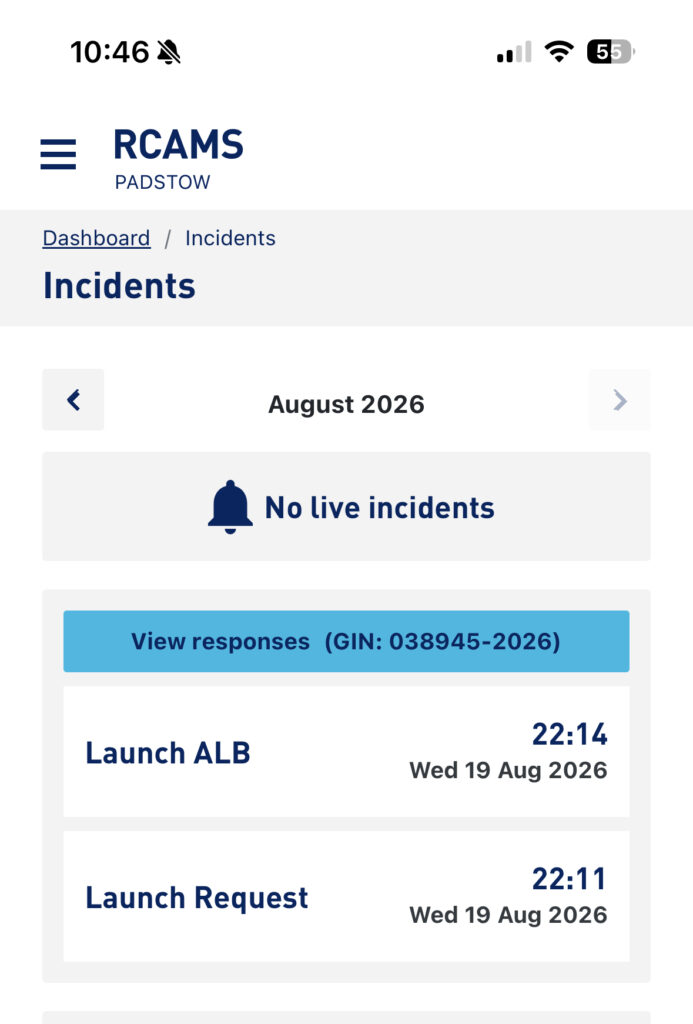
The swimmers were reported to be struggling in the water near Barres Bay. An RNLI lifeboat, HM Coastguard rescue teams, and Coastguard Rescue Helicopter 924 from Cornwall Airport Newquay were all tasked to the scene.
Wavehunters arrived first, and then Harlyn lifeguards arrived with their inshore rescue boat. There were three casualties found first in the water which, Harlyn lifeguards pulled out.
Another two were found, having climbed onto rocks at Cat Cove, and were rescued by helicopter moments later. One person on the rock identified that one person was still missing, so we headed out to look for the last swimmer.
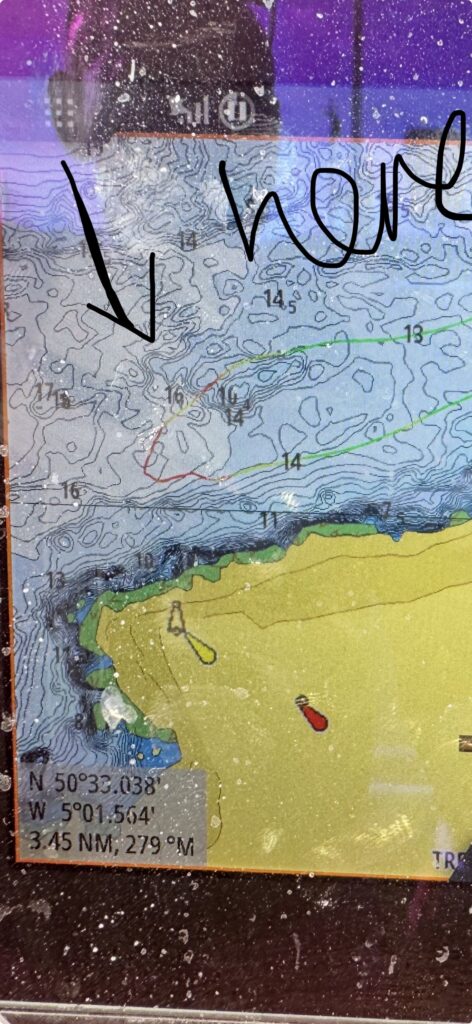
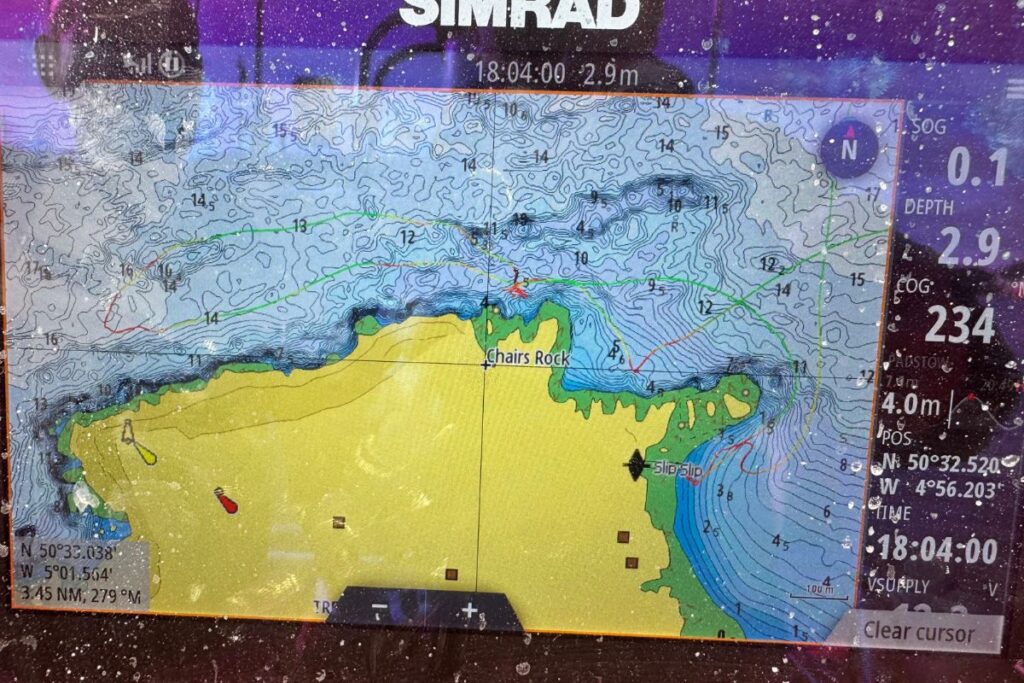
Because it was spring tide, there was only one way they could be heading – being swept out to sea around the corner. Exactly another half a mile from where the five other casualties were found, the last swimmer was located (see photograph below). We used our local knowledge, experience and understanding of the tides and rips to locate them as quickly as possible. Thankfully, everyone involved was uninjured and brought to safety.
HM Coastguard Padstow put it well afterwards (and we couldn’t agree more).
“We are so lucky to live within such a great community.”
Thank you
To Harlyn lifeguards, Wavehunters, HM Coastguard, the RNLI lifeboat crew, and the Coastguard helicopter crew: thank you. Days like this are a reminder of how many people are ready to respond the moment something goes wrong on this coastline, often with no notice at all.
Our own crew members were on the water that morning running a routine boat trip, not expecting to be part of a rescue. One of our skippers, Ian, located and recovered the swimmer who had drifted furthest, out beyond Trevose Head. Several of our crew also volunteer with the RNLI and British Divers Marine Life Rescue in their own time, which is why they knew exactly what to do when the situation changed in a matter of minutes.
We’re proud of how they responded, but more than anything, we’re just glad everyone made it back safely.
A reminder about rip currents
Incidents like this are also a useful reminder of how quickly conditions can turn on this stretch of coast, even on a calm-looking day. Rip currents are strong, narrow channels of water flowing away from the shore, and they can catch out even confident, experienced swimmers.
“The incident has certainly made us much more aware of the dangers of the sea. It has also reinforced the importance of understanding local conditions and knowing what to do if you, or someone else, gets into difficulty.”
Laura, Ben, Jacob, Isabelle & Eva (PSLS guests)
If you ever find yourself caught in one, the RNLI’s advice is:
- Don’t try to swim against it; you’ll only tire yourself out.
- If you can stand, wade rather than swim.
- If you can’t stand, swim parallel to the shore until you’re free of the current, then head for shore.
- Raise your hand and shout for help.
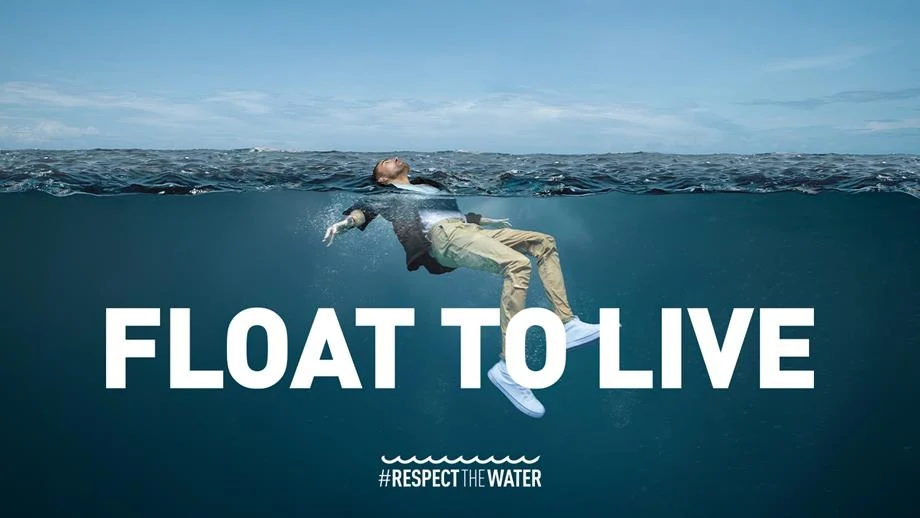
- If you’re struggling to stay afloat, Float to Live: tilt your head back with your ears submerged, relax, and try to breathe normally, gently moving your hands and legs to help you stay afloat until help arrives.
If you spot someone else in trouble in the water, call 999 or 112 and ask for the Coastguard.
You can find more detailed guidance on the RNLI’s rip current safety page.
Our thanks once more
North Cornwall’s coastline is beautiful, but it deserves respect. We’re grateful to everyone who turned a difficult morning into a story with a good outcome, and we hope it encourages a few more people to know what to do if the water ever catches them out.