
A surprising encounter on our Sealife Safari
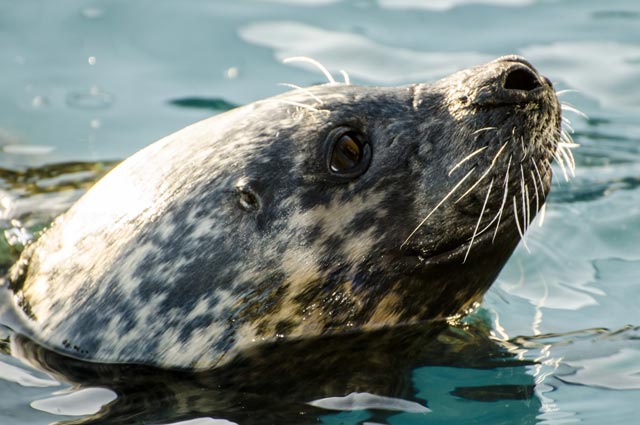
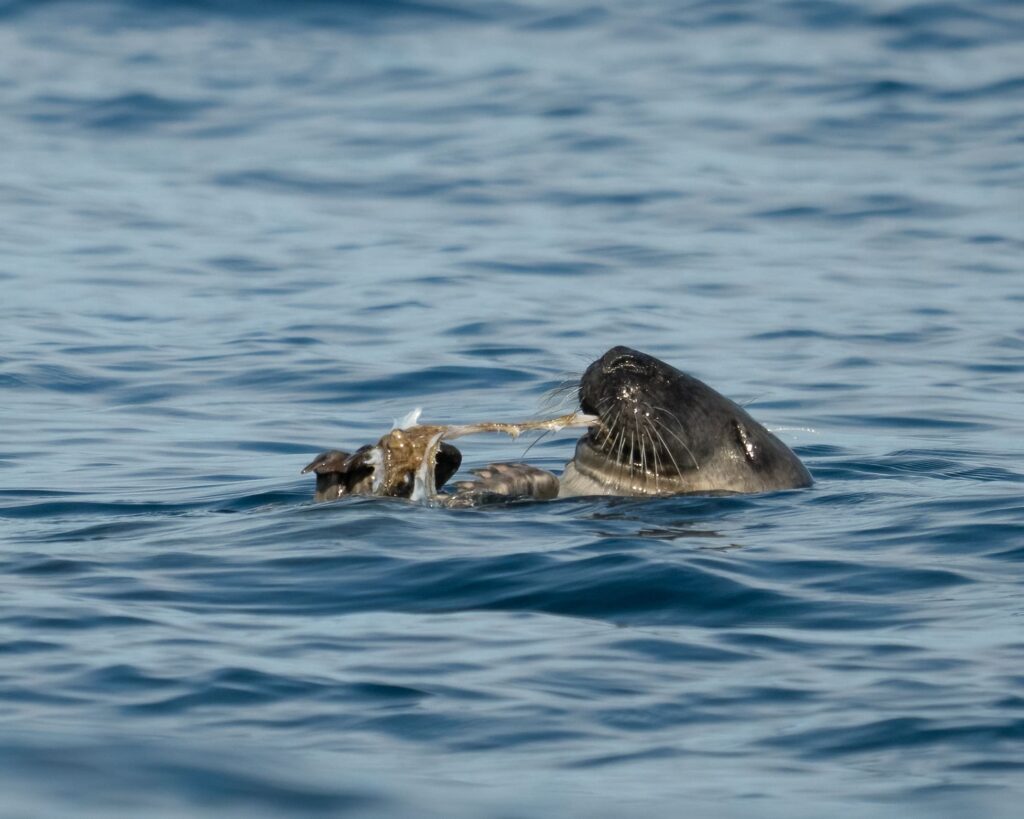
On one of our recent Sealife Safari trips, we saw something huge in the water and stopped to check it out. We couldn’t believe our eyes when, on closer look, it turned out to be a huge male grey seal eating a sizeable octopus! An incredibly strange sight to witness- and one that surprised a lot of people on board, especially those who didn’t even realise we have octopuses here in the UK.
As it turns out, we do, and here in Cornwall too! The two most commonly found octopus species found in UK waters are the common octopus (Octopus vulgaris) and the curled octopus (Eledone cirrhosa).
Masters of disguise: how octopuses hide in Cornish waters
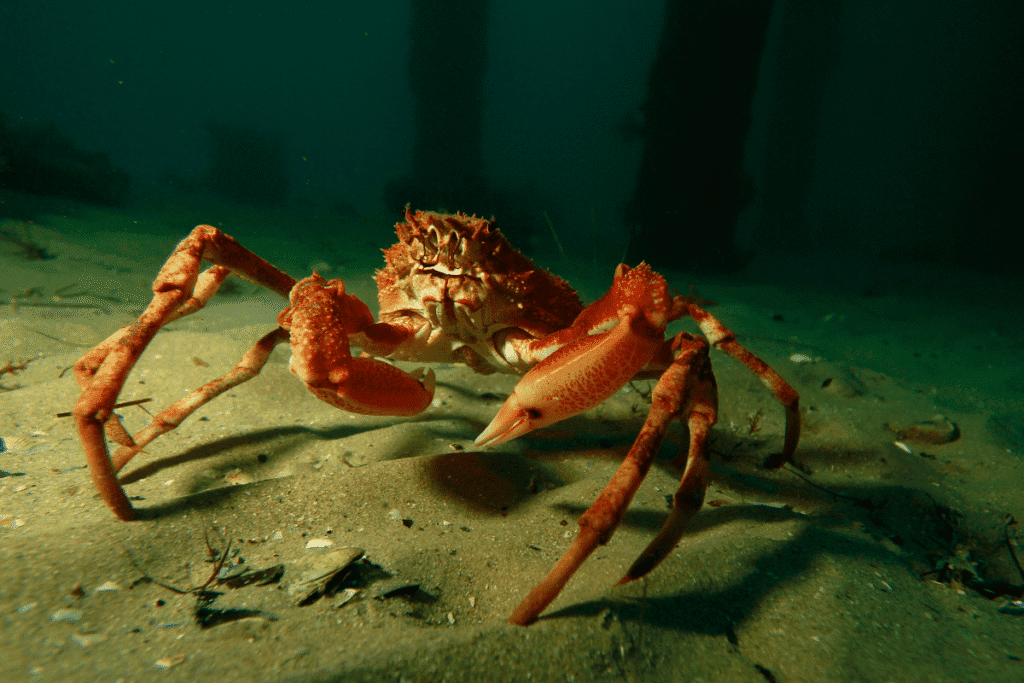
Octopuses are famous for their incredible ability to change colour depending on their environment and mood. Using specialised skin cells to change the appearance of their skin colour and the texture, they can blend in with rocks, sand or seaweed! This makes the already elusive species even harder to spot by their predators and prey. Their favourite food is crabs, and often piles of discarded shells are found near a well-fed octopus- sometimes called a ‘midden’.
The octopus ‘bloom’ in Cornwall
While octopuses have always been present in small numbers around Cornwall, the past year has seen a significant increase, particularly of the common octopus. In 2025, landings of common octopuses by commercial fisheries were reported to be almost 65 times higher than recent annual averages- the biggest ‘bloom’ of octopus seen for at least 75 years.
Octopus populations are naturally variable and closely linked to environmental conditions, especially sea temperature. The common octopus typically favours the warmer waters of southern Europe and the Mediterranean, but rising sea temperatures are allowing the species to extend its range further north into UK waters. Sea temperatures in the southwest reached up to 4˚C above normal last year, creating particularly favourable conditions for their reproduction and survival. Sustained easterly winds may have also helped transport octopus larvae from areas such as the Channel Islands and France to UK coastlines.
Historically, only a handful of major population ‘blooms’ have been recorded over the past 125 years (1899–1900, 1932–33, 1950–51, and now 2025 onwards). This current bloom, first noted by divers and fishermen last year, appears to be as widespread as previous events and is continuing this year in the waters surrounding the southwest.
Previously almost unheard of, there have been multiple reports of octopus breeding and baby octopuses in UK waters, suggesting that the bloom will continue this summer.
Effects of the octopus bloom on Cornish fisheries
During this octopus bloom, many octopuses have been caught in fishing nets and pots around the coast. While some fishermen have benefited from selling octopus, a popular delicacy, others have experienced damaging effects on their catches.
Common octopuses feed on a range of crustaceans, including brown (edible) crabs, lobsters and scallops, making crab and lobster pots particularly enticing. With the octopuses feeding on these, catch rates and stocks of these crustaceans are dropping, causing concern in the fishing industry.
A boost for our dolphin sightings
One of the more exciting knock-on effects of this octopus bloom has been the surge in dolphin activity along our coastline. Octopuses are a favourite food source for Risso’s, common and bottlenose dolphins, and with so many now thriving in Cornish waters, we’ve been treated to some truly spectacular sightings on our Sealife Safari trips this season. Pods have been spotted closer to shore than usual, often feeding actively in the same areas where octopuses are flourishing.
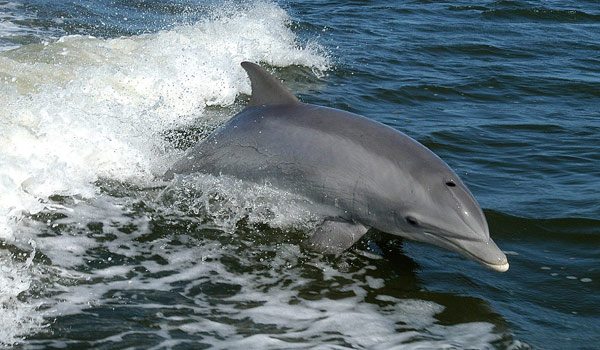
It’s a wonderful reminder of just how connected everything is beneath the surface, where one shift in the ecosystem can ripple out in the most unexpected and rewarding ways. For anyone hoping to catch a glimpse of these incredible animals in the wild, there really has never been a better time to get out on the water with us.
Want to experience dolphins?
Our boat trips provide the opportunity to witness Cornish wildlife in their natural habitat – a truly unforgettable experience!
A sign of change in Cornwall’s seas
Whilst it is an exciting sight for divers and snorkellers, the octopus bloom is a concerning indicator of changing conditions in our oceans.
Octopuses play an important role in the marine food web both as predators and prey, helping to regulate populations of crabs and other invertebrates as well as providing a food source for larger animals, including seals, whales and dolphins. Because of this, a sudden influx of a species as important as this can seriously disrupt food webs, with unknown consequences for biodiversity around our coastlines.
Encounters with species like octopuses offer a valuable reminder that Cornwall’s seas are full of hidden complexity. As conditions continue to change, so too does the wildlife we are able to observe, making each trip out on the water an opportunity to learn something new. You never know what you’re going to find!